Find Thickness Magnetized Block Magnet for speakers, motors, and industrial use
Source 30 listings for Thickness Magnetized Block Magnet available from manufacturers in Ningbo and Anhui. Buyers can compare grades like N35-N54, shapes, and customization options for speaker, motor, and industrial applications.
Key considerations
Products List


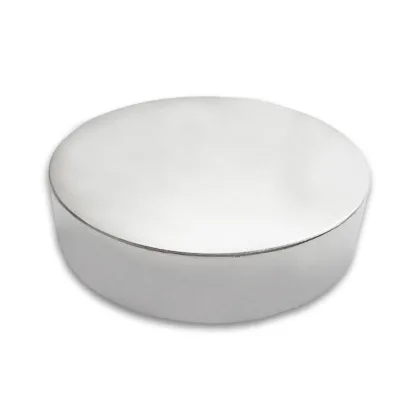
Customized Size Strong Permanent Stinered Neodymium Magnet Block Magnet
$0.20 - $0.50
MOQ: 1000 Pieces




Comprehensive Sourcing Guide
Strategic Sourcing Guide for Thickness Magnetized Block Magnets
Understanding the Technical Landscape of Block Magnets
When sourcing thickness magnetized block magnets, buyers must first navigate a complex landscape of material science and manufacturing processes. The core keyword implies a specific geometric form factor—a rectangular prism with a defined thickness—magnetized along a specific axis. Based on available market data, the product category is dominated by two distinct material families: Sintered Ferrite magnets and Neodymium Iron Boron (NdFeB) magnets. These materials exhibit fundamentally different physical properties, cost structures, and application suitability.
The Ferrite magnet segment is characterized by its composition as a composite material, typically offering high corrosion resistance and lower cost, though with lower magnetic energy density. In contrast, the NdFeB segment represents a permanent magnet type known for exceptional strength. The specific grade range observed in the market for these high-performance block magnets spans from N35 to N54, with high-temperature variants reaching up to 36H. This grading system is critical for procurement, as it dictates the maximum operating temperature and the magnetic flux density available.
The manufacturing process for these blocks is primarily sintering, a method that involves compacting powder and heating it to a high temperature to fuse the particles. This process allows for the creation of precise dimensions, which is essential for the "thickness" specification. The magnetocrystalline anisotropy of these products varies; some are isotropic, meaning they can be magnetized in any direction, while others are anisotropic, requiring magnetization along a specific axis for optimal performance. Buyers must verify which anisotropy type aligns with their assembly requirements, as anisotropic magnets generally offer superior magnetic strength in the direction of magnetization.
Defining Critical Technical Specifications
Precision in specification is the cornerstone of successful procurement for block magnets. The term "thickness" is not merely a dimension but a variable that influences the magnetic field distribution and the mechanical strength of the component. In the current market, the shape is consistently defined as a block, but the specific dimensions are often customized to meet the needs of the end application. The model numbers observed in supplier catalogs, such as HS-FR-142 or N35-N52, often serve as internal references rather than universal standards, meaning buyers should not rely on these codes alone without verifying the actual physical tolerances.
Coating is another vital technical specification. While the base material may be resistant, environmental factors often necessitate a protective layer. Nickel coating is a standard observation for NdFeB block magnets, providing a barrier against oxidation and corrosion. For ferrite blocks, the material itself is naturally more resistant, but surface treatments may still be applied depending on the application environment. The standard for these products is often listed as "customized," indicating that the supplier can adjust the coating thickness and material based on the buyer's specific environmental constraints.
The magnetization direction is equally critical. A block magnet can be magnetized through its thickness, across its width, or along its length. The procurement guide must emphasize that the buyer needs to explicitly state the magnetization axis. The observed data indicates that these magnets are frequently used in applications requiring specific field orientations, such as in motors or solenoids, where the thickness of the magnet directly impacts the air gap and the resulting torque or force.
Compliance, Certification, and Regulatory Standards
Navigating the regulatory landscape is a non-negotiable aspect of modern B2B procurement. Buyers must ensure that their suppliers adhere to international standards regarding hazardous substances and quality management. The market data highlights the presence of ISO and RoHS certifications. Specifically, some suppliers list certifications as "ISOCE, RoHS" or "ISORoHS," suggesting a combination of quality management systems and compliance with the Restriction of Hazardous Substances directive.
However, buyers should exercise caution and verify the exact scope of these certifications. While "RoHS" is a common keyword, the specific version (e.g., RoHS 2.0) and the extent of compliance (e.g., lead-free soldering, restricted heavy metals) must be confirmed through documentation. Similarly, while "ISO 9001" is a widely recognized standard for quality management, the provided context lists it as a low-confidence background item. Therefore, buyers should not assume a supplier holds this certification unless it is explicitly stated in their current audit reports or certificates of conformity.
The origin of the product also plays a role in compliance. The majority of the observed supply chain originates from Ningbo, China, with some production noted in Anhui. These regions have established manufacturing ecosystems, but the regulatory environment can vary. Buyers should request proof of compliance for the specific batch being ordered, especially if the end product is destined for markets with strict environmental regulations, such as the European Union or North America. The standard for the product is often listed as "customized," which implies that the supplier may need to tailor their compliance documentation to match the specific regulatory requirements of the buyer's target market.
Cost Drivers and Pricing Dynamics
The pricing of thickness magnetized block magnets is influenced by a complex interplay of material costs, manufacturing complexity, and order volume. The observed price range in the market spans from $0.01 to $100 per unit, a wide variance that reflects differences in material grade, size, and quantity. The primary cost driver is the raw material. NdFeB magnets, containing rare earth elements like neodymium, are significantly more expensive than ferrite magnets, which are made from iron oxide and barium or strontium carbonate. The grade of the NdFeB magnet, ranging from N35 to N54, directly correlates with price; higher grades command a premium due to the increased concentration of rare earth materials and the more complex sintering process required.
Order volume is the second major cost factor. The Minimum Order Quantity (MOQ) observed ranges from 1 to 1000 units. Suppliers often offer tiered pricing, where the unit cost decreases as the order volume increases. For small-batch prototyping, the MOQ of 1 allows for flexibility, but the unit price will be at the higher end of the spectrum. Conversely, large-scale industrial procurement can leverage the lower end of the price range by meeting higher MOQ thresholds.
Customization is a significant cost driver. While the base product may be a standard block, requests for specific dimensions, coatings, or magnetization angles incur additional tooling and setup costs. The "customized" standard observed in the market suggests that many suppliers operate on a made-to-order basis. Buyers should anticipate that non-standard thicknesses or unusual aspect ratios may increase the lead time and cost. Additionally, the packaging requirements, such as standard export cartons, pallets, or specialized foam boxes, can add to the overall landed cost, particularly for international shipping.
Typical Applications and Industry Use Cases
The versatility of thickness magnetized block magnets makes them indispensable across a wide array of industries. The primary applications identified in the market include speaker magnets, industrial magnets, and motor magnets. In the audio industry, block magnets are used in loudspeakers to create the magnetic field necessary for the voice coil to move and produce sound. The thickness of the magnet in this context is critical for determining the magnetic flux density and, consequently, the efficiency and power handling of the speaker.
In the industrial sector, these magnets are utilized for holding, lifting, and sorting applications. The high strength of NdFeB block magnets makes them ideal for magnetic chucks in machining operations or for separating ferrous materials from non-ferrous streams. The "Industrial Magnet" classification is broad, covering everything from magnetic separators in mining to magnetic couplings in pumps. The ability to customize the size and grade allows engineers to design systems that maximize force while minimizing weight and volume.
The automotive and electronics industries also rely heavily on these components. Motor magnets are a key application, where block magnets are used in electric motors for vehicles, power tools, and consumer electronics. The anisotropic nature of many of these magnets ensures that they provide the maximum torque in the direction of rotation. Additionally, the "Electronic Products" application category suggests use in sensors, actuators, and relays. The "Jewelry Magnet" application, though niche, highlights the aesthetic and functional use of small, high-strength block magnets in fasteners and decorative items.
Supplier Evaluation and Manufacturing Capabilities
Selecting the right supplier is as important as selecting the right magnet. The market data indicates that the majority of suppliers are manufacturers or factories, often located in Ningbo, China, with some presence in Anhui. This suggests a strong manufacturing base in the region, but buyers must distinguish between true manufacturers and trading companies. A key indicator of a manufacturer is the presence of owned R&D capacity, including the ability to offer OEM (Original Equipment Manufacturer) and ODM (Original Design Manufacturer) services.
Buyers should evaluate suppliers based on their customization capabilities. The "Customization: Available" attribute is a strong signal that the supplier can adapt the product to specific needs. However, the depth of this capability varies. Some suppliers may only offer standard sizes with minor adjustments, while others can engineer custom grades and dimensions. The "Brand: Customize" attribute further suggests that suppliers are willing to work with the buyer's branding, which is essential for private label products.
Quality control systems are another critical evaluation criterion. While specific test results are not provided in the general data, the presence of ISO and RoHS certifications indicates a commitment to quality and environmental standards. Buyers should request detailed quality control procedures, including how the supplier handles magnetization consistency, coating adhesion, and dimensional tolerances. The "Standard Export Carton" and "Pallet" packaging options suggest that the supplier has experience in handling international logistics, but buyers should verify the specific packaging protocols to ensure the magnets are protected during transit.
Quality Control and Long-Term Procurement Strategy
Ensuring the long-term reliability of thickness magnetized block magnets requires a robust quality control strategy. The sintering process, while effective, can introduce variations in density and magnetic properties if not tightly controlled. Buyers should implement incoming quality inspection protocols that verify the magnetic strength, dimensions, and coating integrity of each batch. The "Lead Time: 15-25 Days" observed in the market suggests a standard production cycle, but buyers should account for potential delays due to customization or raw material shortages.
Long-term procurement considerations include supply chain resilience and scalability. The "Business Type: Manufacturer/Factory" status indicates that the supplier has direct control over the production process, which can be advantageous for scaling up production. However, buyers should also assess the supplier's capacity to handle volume fluctuations. The "R&D Capacity: Owned Brand/OEM/ODM" suggests that the supplier has the technical expertise to support product evolution, which is crucial for industries where magnet technology is rapidly advancing.
Finally, buyers should consider the total cost of ownership, not just the unit price. Factors such as the durability of the nickel coating, the resistance to demagnetization at high temperatures, and the ease of integration into the final assembly all contribute to the long-term value of the magnet. By focusing on these technical and strategic factors, buyers can secure a reliable supply of thickness magnetized block magnets that meet their performance and compliance requirements.
Comparison of Magnet Types and Specifications
To assist buyers in making informed decisions, the following table compares the key characteristics of the two primary magnet types observed in the market. This comparison highlights the trade-offs between cost, strength, and application suitability.
| Feature | Sintered Ferrite Magnet | NdFeB (Neodymium) Magnet |
|---|---|---|
| Material Composition | Ferrite (Composite) | Neodymium Iron Boron |
| Magnetic Strength | Moderate | Very High |
| Grade Range | Standard Ferrite | N35 - N54 (up to 36H) |
| Corrosion Resistance | High (Natural) | Low (Requires Coating) |
| Typical Coating | None or Paint | Nickel |
| Cost Factor | Low | High |
| Primary Applications | Speaker, Industrial, Motor | High-performance Motor, Electronics |
| Anisotropy | Isotropic or Anisotropic | Anisotropic (typically) |
| Shape | Block | Block |
| Customization | Available | Available |
This table serves as a quick reference for buyers to align their technical requirements with the appropriate material selection. It underscores that while ferrite magnets offer a cost-effective solution for many applications, NdFeB magnets are essential for high-performance requirements where space and weight are constrained.
FAQs
What grades are available for thickness magnetized block magnets?
Available grades range from N35 to N54, with high-temperature variants reaching 36H. These grades determine the magnetic strength and maximum operating temperature for your specific application needs.
Can suppliers customize the dimensions of these block magnets?
Yes, customization is available for size and shape to meet specific requirements. The standard for these products is often listed as customized, allowing for tailored thickness and dimensions.
Which certifications do manufacturers typically hold for these magnets?
Suppliers often hold ISOCE and RoHS certifications to ensure compliance with hazardous substance restrictions. Buyers should verify specific documentation for the batch being ordered to confirm regulatory adherence.
How long is the delivery time for custom block magnet orders?
The standard delivery time is typically 15 to 25 days for most orders. This lead time applies to customized products and may vary based on order volume and specific coating requirements.
What coating options are provided for NdFeB block magnets?
Nickel coating is a standard observation for NdFeB block magnets to prevent oxidation. The coating standard is often customized to match the environmental constraints of your specific application.
Where are the primary manufacturing locations for these magnets?
Most production originates from Ningbo, China, with some facilities located in Anhui. These regions host established manufacturing ecosystems capable of OEM and ODM services for block magnets.
What is the minimum order quantity for purchasing these magnets?
The minimum order quantity ranges from 1 to 1000 units depending on the supplier. Small-batch prototyping is possible with an MOQ of 1, while larger volumes often secure better pricing.